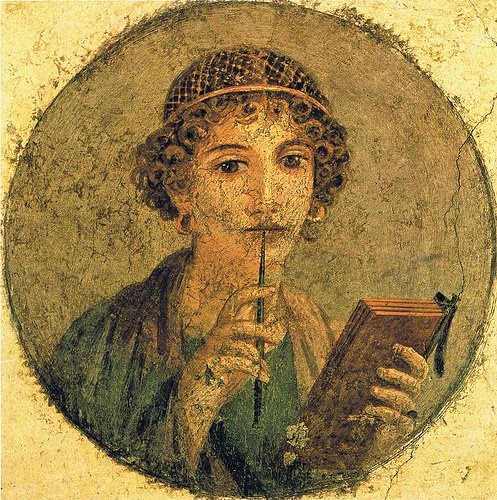
Figure 1 “A young woman from Pompeii with a wax tablet and stylus” on display at the National Archaeological Museum in Naples
A visit to a history fair, “Days of Knights,” solved a mystery I first considered while watching the popular series The Chosen. What was that book that the character portraying Matthew carried around? The casual viewer probably assumed it was a book with parchment or papyrus, as those were the two types of “paper” used back in the ancient world. I then also remembered the seemingly endless supply of paper Jesus’ little troop of followers always seemed to have handy. I recall Rhema and Mary Magdeline making signs with paper to announce Jesus speaking to the multitudes. I shook my head, knowing that paper had to be quite a valuable and expensive item back then, considering how difficult and laborious it was to make.
At The Days of Knights, a festival featuring various knights and soldiers from ancient Greece and Rome to the late Middle Ages, I came upon a man depicting a medieval monk. He scraped a stretched animal skin using a rounded tool to make parchment.
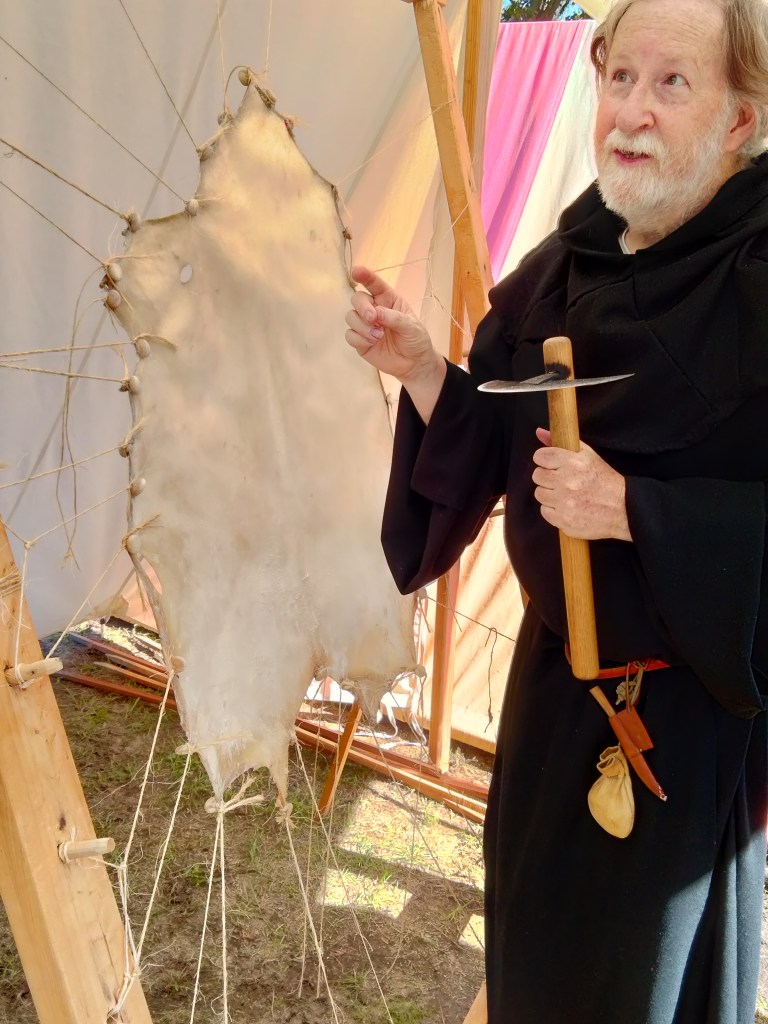
All the knights, priests, doctors, and clergy were also fine historians and reenactors. This wasn’t like a typical Renaissance Fair, where pirates, wizards, and Lords and Ladies enchant an audience. These men and women knew their history and dressed in very authentic outfits. They mesmerized the fairgoers with their knowledge and artifacts.
Making parchment was a tedious process involving using animal skins with the hair removed and soaking the skin in lime. The person then used the unique tool called a lunellum to remove the excess tissue from the stretched skin.
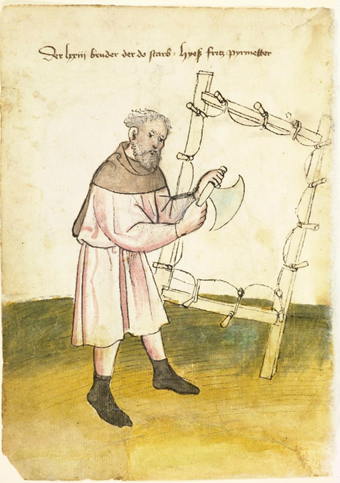
Figure 3 Brother Fritz making parchment around 1425 from the Nurenburg House Books.
This monk also displayed a wax tablet, which was something quite new to me. These wooden or ivory cases served as mobile “tablets” that could be used for note-taking or list-making. I then thought back to Matthew in The Chosen and considered that a wax tablet would have been what the real Matthew and other disciples must have used to record simple notes for their later writing of the Gospels.
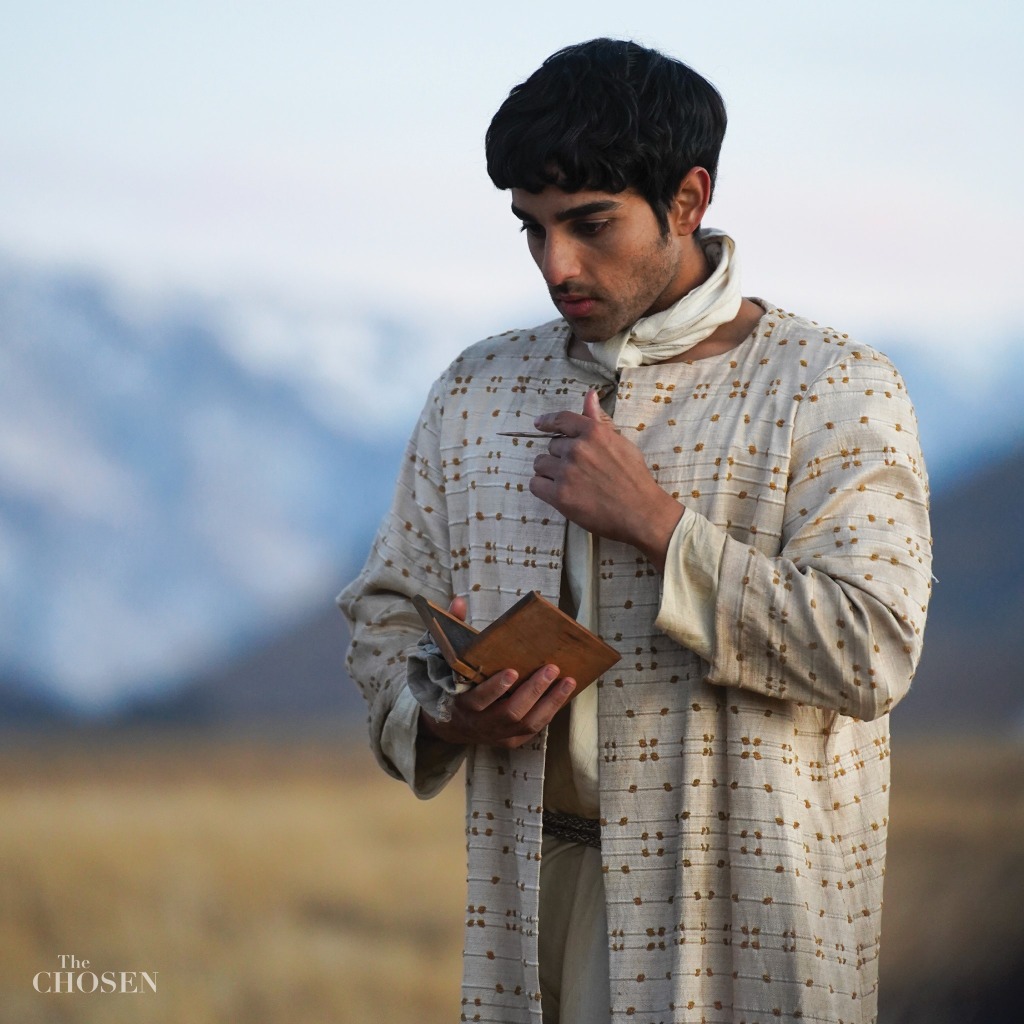
In The Chosen, Matthew appears to keep a journal of sorts in his rucksack and takes it out when something noteworthy is happening. Another photo shows John writing with some instrument in what seems to be parchment or perhaps papyrus, but what was he using to write? Surely, not a pencil, as they were invented until about. It wasn’t an ink pen or quill because he had no ink pot at the ready. Sure enough, it was obvious that Matthew was using a wax tablet, as men and women had used for centuries!
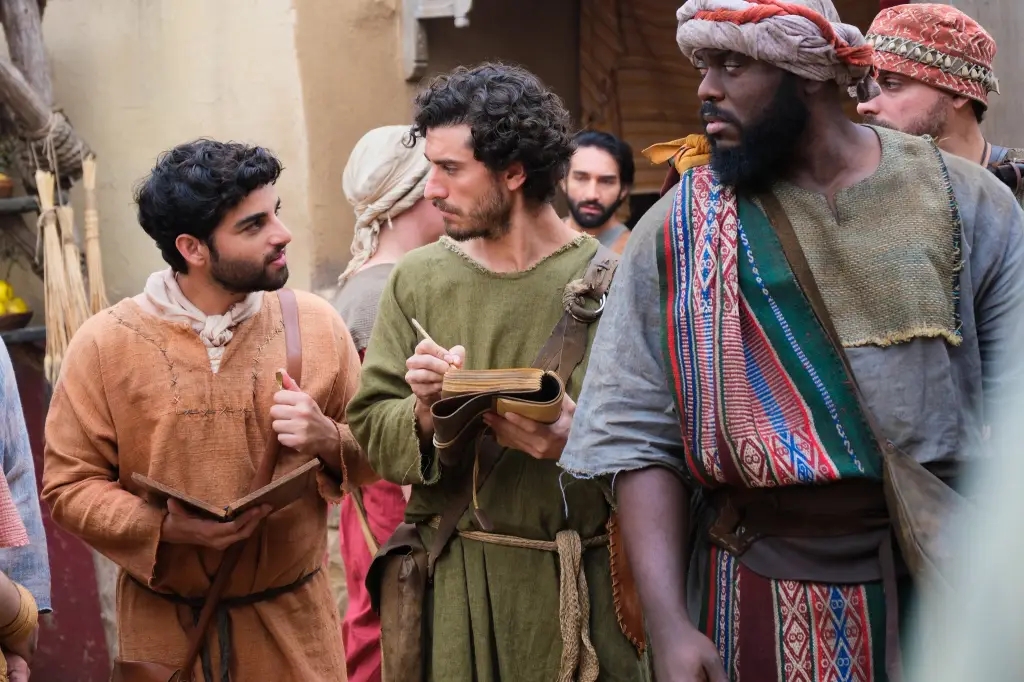
On the other hand, John appeared to be writing in a parchment or papyrus bound book, but no ink bottle was shown. I’m wondering why they chose to be authentic historians with Matthew but rather inaccurate with John.
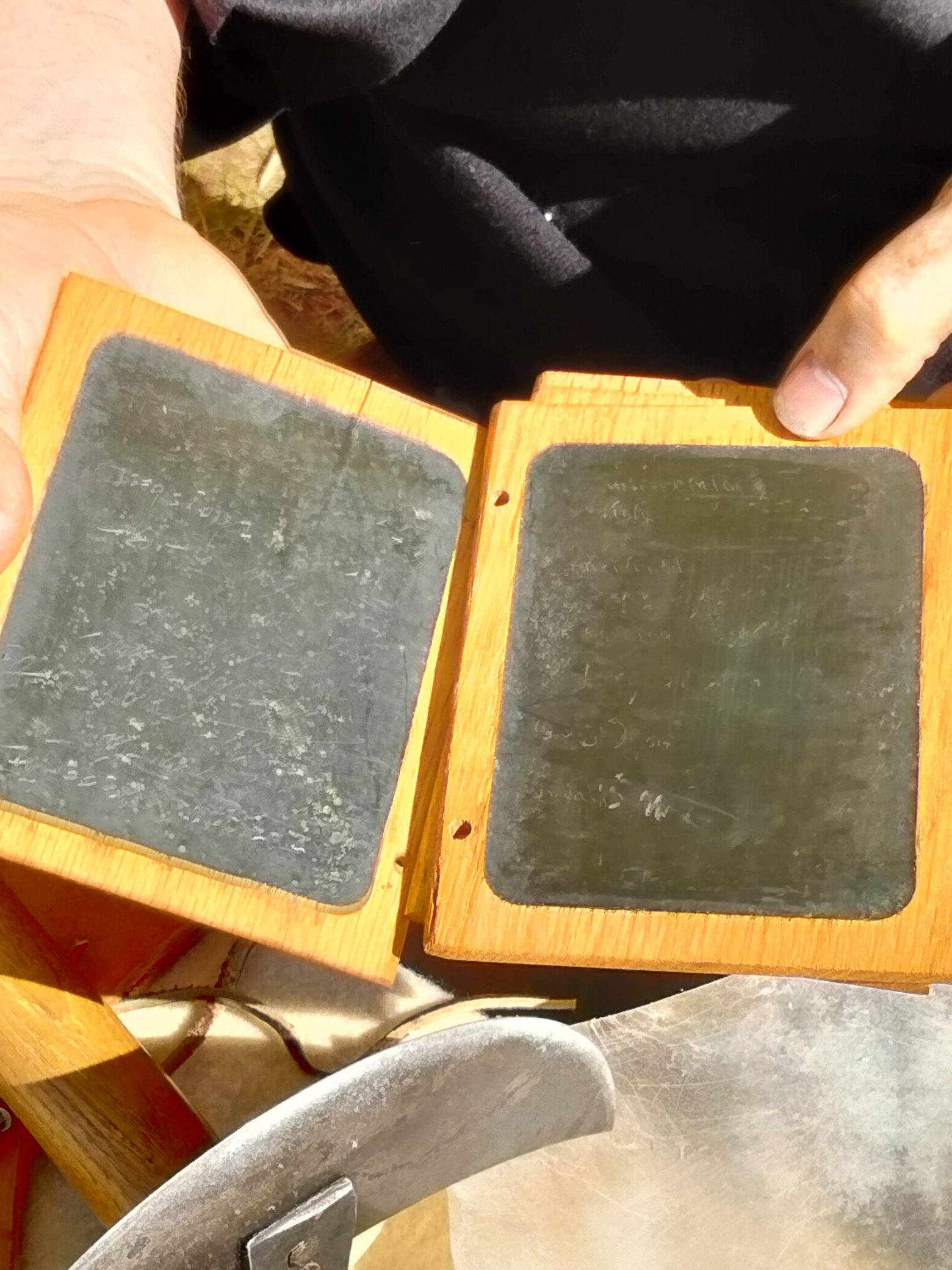
Figure 4 A modern recreation of a waxed tablet
The earliest record of its use dates back to the 7th century B.C.E. in Italy. Wax tablets were commonly used during the Greco-Roman eras as they were cheap and reusable compared to the other writing surfaces. Beeswax was also readily available. They continued to be used until the nineteenth century. The earliest wax tablet specimen was from the Bronze Age and was found in a shipwreck off the coast of Anatolia. Leaves from two two-page writing boards were discovered in a pithos or large jar. Unfortunately, neither the wax nor the writing on the board survives.
A set of ivory tablets survived from the Neo-Assyrian palace at Nimrud. One of them even has a small amount of wax surviving, and the cuneiform writing is still visible. An inscription carved into the wooden cover tells us that this was a copy of the Enuma Anu Enlil, an astrological text with lists of omens and their meanings.
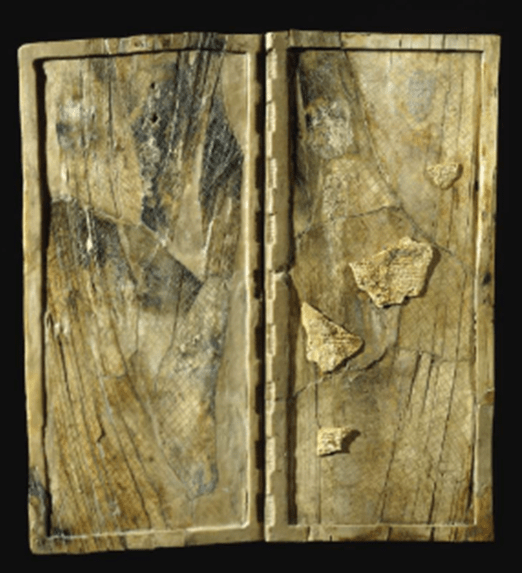
Figure 5 Wax Ivory Tablet from the Palace of Nimrud housed at the British Museum.
To construct a wax tablet, a flat, rectangular block was hollowed out and filled with beeswax tempered with resin, turpentine, or linseed oil. Black was the most common color, followed by green. These darker colors were favored so the text carved on the wax could be seen more easily. The wooden blocks were then bound together with leather, parchment, or linen thongs.
A metal, bone, or wood stylus was used like a pencil with a sharp end for writing onto the wax. The other end was wide and flattened and used as an eraser. The metal and the wide, flattened end worked like an eraser. A metal stylus was the most practical as it could be heated, and its blunt end was used to smooth the wax for reuse or to erase mistakes.
An entire tablet could be erased by holding the wax close to a flame until it softened. The tablet would be turned over, and the flattened part of the stylus was used to gently smooth over the surface. The tablet would be rocked to even out the melted wax.
Wax tablets served many purposes. Art frescoes and clay tablets from ancient times show wax tablets as learning aids in the classroom (especially throughout Antiquity), a means for drafting more formal documents, and for compiling things such as library inventories. They were also used for keeping administrative records, especially financial transactions, from royal accounts to gaming tallies.
In Egypt, the dry desert climate preserves perishable materials very well. This remarkably well-preserved school exercise wax tablet shows the teacher’s first two lines and then the ones the student copied twice. Notice the student’s less neat and less accurate rewriting as he copies the sentence: Take advice from a wise man/ You should not trust all your friends.”
From the mid-14th century, improved water-powered paper mills produced large and cheap quantities of paper, and the wax tablet and stylus disappeared completely from daily life.
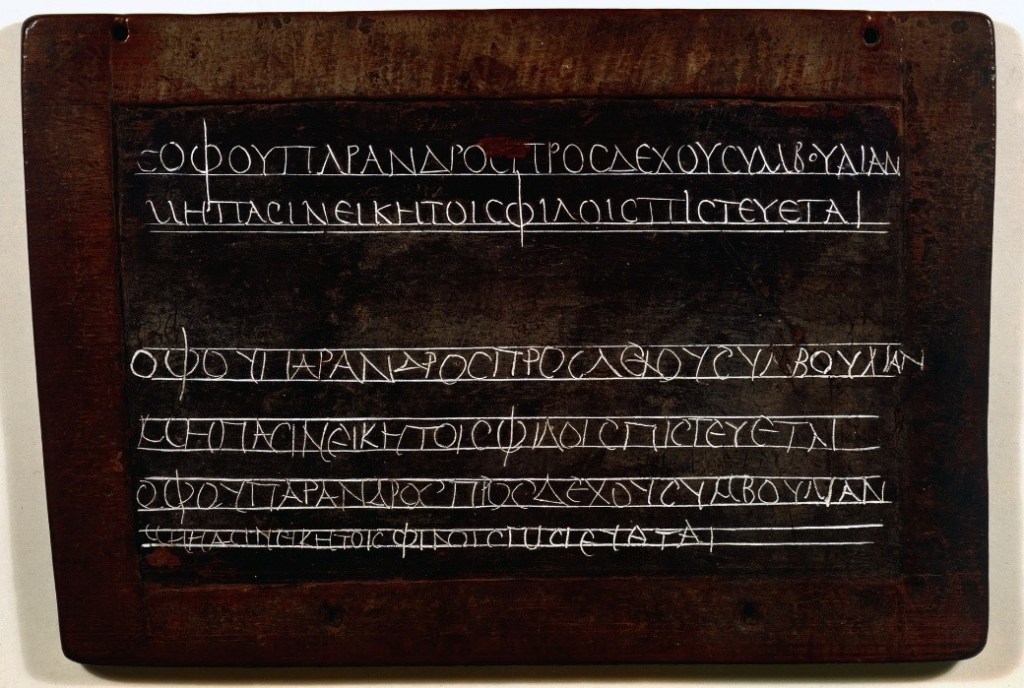
Figure 6 Wax Tablet from Wikicommons, British Library
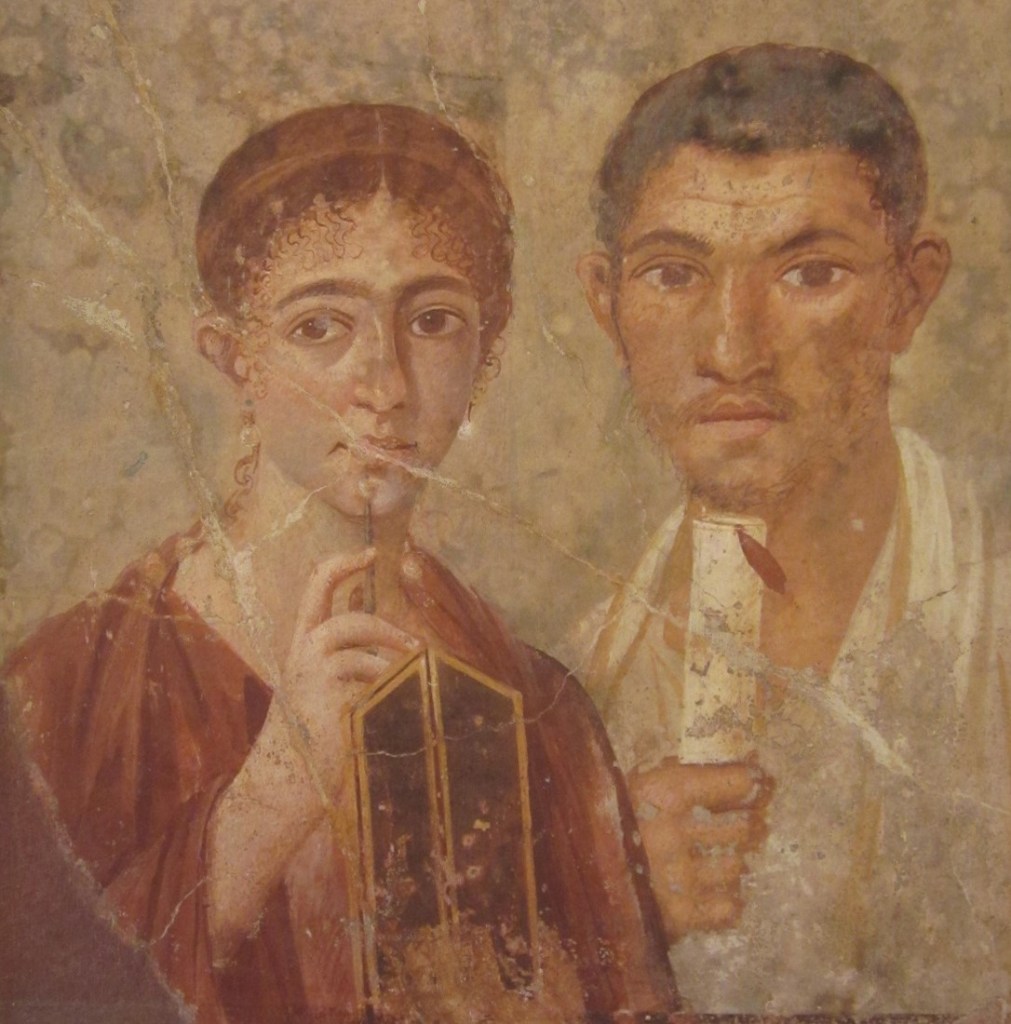
Figure 7 Terentius Neo and his wife: A young Pompeiian woman with a stylus and wax tablet and a man holding a rotulus from the Archaeology Museum of Naples
For Information on the Days of Knights, visit their website to find out more about their events
 Donna Gawell